

 Accounting software helps people understand money clearly. It tracks income, expenses, and long-term costs. This mindset also influences how people choose a home. Buyers today think carefully about space, value, and usage before making decisions.
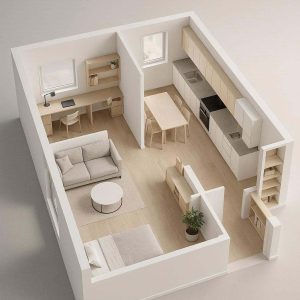
When reviewing Lentor Gardens floorplan, many now apply the same logic used in budgeting. Each room has a purpose. Unused space feels like wasted money. A smart layout supports daily routines without excess.
Homebuyers using accounting software often analyze cost per square meter. They look at how much space is actually usable. Long hallways and awkward corners are seen as inefficiencies. Clean and functional layouts are preferred.
Modern buyers also plan for future costs. Maintenance, utilities, and upgrades matter. Floorplans that allow good airflow and natural light reduce energy use. This aligns with cost tracking habits developed through financial tools.
Remote work has changed space needs. Accounting software users often work from home. Floorplans that include flexible office areas add value. This avoids renting external workspaces and reduces overhead.
Clear layouts also support long-term planning. Families grow. Needs change. A good floorplan allows rooms to adapt without major renovations. This supports financial stability over time.
Why Floorplan Efficiency Matters in Residential Living
A floorplan defines how a home feels and functions. It affects movement, comfort, and daily habits. Efficient layouts reduce stress and save time. This matters to professionals who manage detailed financial systems.
Open layouts are popular for a reason. They allow shared lighting and airflow. This reduces electricity use and improves comfort. From a cost perspective, this is a smart design choice.
Storage is another key factor. Built-in storage reduces the need for extra furniture. This saves money and keeps spaces clean. Floorplans that plan storage well feel larger without increasing size.
Bedrooms placed away from noisy areas improve rest. Good sleep supports productivity. For people managing finances or businesses, this matters more than decorative features.
Outdoor access is also important. Balconies, patios, or garden-facing rooms add living value. These areas extend usable space without increasing indoor costs. They also improve mental well-being.
Bathrooms and kitchens should be placed efficiently. Plumbing lines that are grouped reduce construction and repair costs. This is a detail often overlooked but important for long-term savings.
Floorplans that support natural movement reduce clutter. When people move easily through a space, they need fewer adjustments. This reduces the need for future remodeling.
Aligning Financial Tools With Residential Design Choices
Accounting software teaches discipline. It encourages planning before spending. This approach fits well with choosing the right residence floorplan. Buyers who plan ahead avoid regret.
Smart homeowners review layouts the same way they review financial reports. They ask simple questions. Does this space earn its cost? Does it support daily use? Is it flexible?
Technology also plays a role. Modern residences often include smart systems. Floorplans that support cable routing, device placement, and ventilation are future-ready. This reduces upgrade costs later.
For investors, floorplans affect rental appeal. Tenants prefer functional layouts. Units with good flow and storage attract longer stays. This improves return on investment.
Families also benefit from planned layouts. Shared areas support bonding. Private areas support rest. Balance matters. A good floorplan supports both without wasted space.
Sustainable design is another factor. Floorplans that maximize daylight reduce energy use. This lowers monthly bills and supports environmental goals. Many financially aware buyers now value this.
In the end, accounting software and floorplans share one principle. Both focus on clarity and efficiency. When money and space are managed well, living becomes easier and more stable.